Uncovering the Relevance of Aluminum Foundry in Sustainable Design Practices
Aluminum foundries are increasingly recognized for their necessary role in sustainable engineering. By reusing light weight aluminum and making use of innovative innovations, they add to resource preservation and reduced emissions. This practice promotes a circular economic climate, improving product top quality while minimizing environmental impact. Nevertheless, the trip towards sustainability in metal spreading is fraught with difficulties and opportunities that require additional exploration. What exists ahead for light weight aluminum foundries in the pursuit for a greener future?
The Duty of Aluminum Foundries in Resource Conservation
Aluminum foundries play an essential duty in resource conservation by efficiently recycling light weight aluminum products. These centers are critical in changing scrap aluminum right into premium products, thus lowering the demand for brand-new aluminum extraction. The process involves thawing down made use of light weight aluminum items, which requires significantly less power than producing aluminum from raw bauxite ore. By making use of existing products, foundries help lower greenhouse gas exhausts connected with mining and refining procedures.
Aluminum foundries add to throw away decrease by drawing away scrap from land fills, promoting a more lasting strategy to resource monitoring. They often team up with industries to gather post-consumer and post-industrial light weight aluminum waste, improving the general recycling framework. This method not only preserves natural deposits however also sustains the economic climate by developing work and fostering technology in lasting engineering methods. With these initiatives, light weight aluminum foundries exhibit a dedication to ecological stewardship and resource effectiveness in manufacturing.
Reusing and Repurposing: A Round Economic Situation Strategy
The idea of a round economic climate is progressively getting grip in various industries, consisting of aluminum foundries. This strategy emphasizes the significance of reusing and repurposing materials to lessen waste and enhance resource use. In aluminum foundries, recycling entails redeeming scrap aluminum from production procedures and end-of-life items, considerably lowering the requirement for virgin products. This not only conserves natural resources yet additionally reduces power consumption connected with aluminum production.
Repurposing, on the other hand, entails transforming disposed of light weight aluminum items into new, practical things, thus extending their life process. By taking on these techniques, light weight aluminum foundries add to a lasting production community that prioritizes environmental obligation. The combination of reusing and repurposing within the aluminum sector straightens with broader sustainability goals, driving technology and boosting the economic feasibility of circular economic climate concepts (Aluminum Foundry). Eventually, this strategy fosters durability within the market while minimizing its eco-friendly footprint
Ingenious Technologies Transforming Aluminum Casting
Cutting-edge innovations are reshaping the light weight aluminum spreading industry by presenting sophisticated molding techniques that enhance accuracy and effectiveness. In addition, the growth of eco-friendly alloys is promoting sustainability while preserving efficiency standards. Automation in casting processes further enhances manufacturing, minimizing waste and energy consumption.
Advanced Molding Techniques
Eco-Friendly Alloy Development
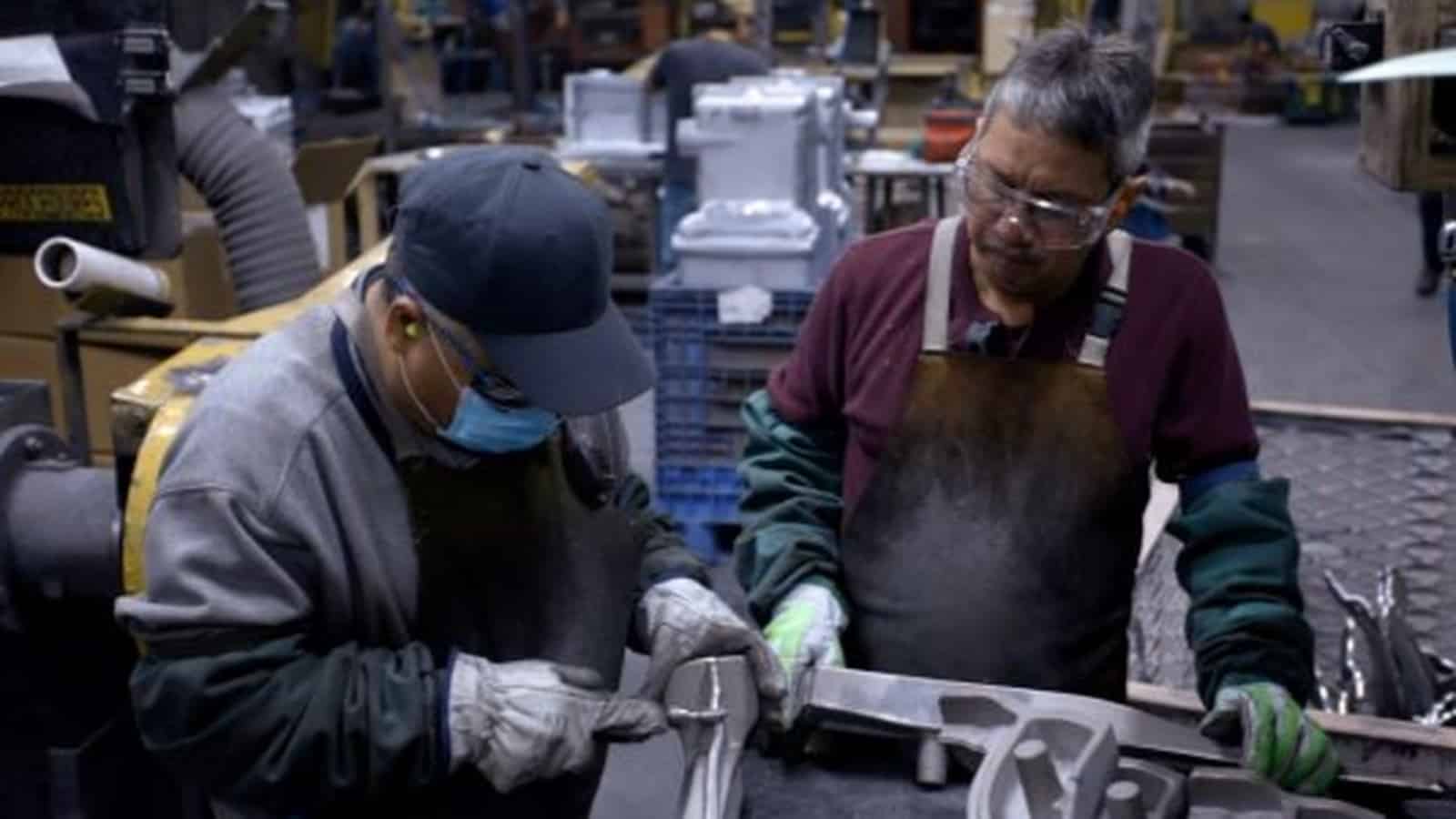
As the need for sustainable techniques in making expands, the development of green aluminum alloys has emerged as an essential emphasis within the light weight aluminum spreading sector. These ingenious alloys aim to lower ecological influence while maintaining superior efficiency attributes. Scientists are checking out the incorporation of recycled materials and safe elements, which not only lessen the carbon footprint yet also enhance source performance. Advanced methods, such as making use of bio-based ingredients, are being checked out to boost alloy residential or commercial properties without compromising sustainability. Additionally, collaborations between academia and market are fostering the production of alloys customized for details applications, making sure that environmentally friendly alternatives meet the rigorous needs of modern-day design. This commitment to sustainability settings the light weight aluminum spreading market as a leader in responsible production practices.
Automation in Casting Processes
While the aluminum casting sector accepts sustainability, automation in casting procedures is simultaneously revolutionizing manufacturing efficiency and top quality. Advanced innovations such as robot arms, computer system mathematical control (CNC) machines, and expert system are enhancing procedures, minimizing labor costs, and decreasing human mistake. These developments make it possible for exact control over spreading parameters, making certain regular next page item quality and lowering product waste. Additionally, automated systems can check real-time data, permitting for instant modifications to optimize efficiency. Therefore, producers can improve their sustainability efforts by enhancing resource utilization and lowering power usage. The assimilation of automation not only meets the expanding need for premium light weight aluminum parts but likewise aligns with green methods, noting a substantial development in the aluminum foundry industry.
Decreasing Carbon Footprints With Sustainable Practices
A considerable reduction in carbon footprints can be attained via the application of sustainable practices in aluminum foundries. By embracing energy-efficient modern technologies, foundries can lessen power consumption, thereby decreasing greenhouse gas exhausts. Additionally, the integration of recycled aluminum greatly minimizes the need for basic material extraction, which is resource-intensive and adds to ecological destruction.
Carrying out advanced melting techniques, such as induction melting, can also improve effectiveness and minimize exhausts. Optimizing the casting process through automation and tracking can reduce waste and energy use.
Factories can additionally change in the direction of sustainable power sources, such as solar or wind, to power operations, as a result reducing dependence on fossil fuels. Staff member training on sustainable techniques fosters a society of ecological responsibility, guaranteeing that everyone plays a role in minimizing the overall carbon impact. Through these procedures, light weight aluminum foundries can considerably contribute to a more sustainable future.
The Effect of Aluminum Foundries on Various Industries
Aluminum foundries play a substantial duty across various sectors, offering lightweight and sturdy materials that enhance product efficiency and sustainability. In the vehicle market, light weight aluminum spreadings add to fuel performance by reducing car weight, inevitably resulting in lower emissions. The aerospace industry advantages from aluminum's strength-to-weight ratio, enabling the manufacturing of extra effective aircraft designs. In construction, light weight aluminum elements provide deterioration resistance and longevity, making buildings more sustainable gradually. In addition, the electronics market makes use of aluminum for its superb thermal conductivity, which is necessary for heat dissipation in tools. Furthermore, aluminum foundries sustain the manufacturing of durable goods, providing visually pleasing and practical products. As industries progressively focus on sustainability, the role of light weight aluminum foundries ends up being much more crucial, making certain that products not only meet efficiency standards however also look at these guys line up with ecological objectives. Consequently, the impact of aluminum foundries prolongs throughout multiple fields, driving development and promoting sustainable methods.
Challenges and Opportunities in Lasting Metal Casting
As markets undertaking for sustainability, the challenges and possibilities in sustainable steel casting end up being progressively famous. One considerable obstacle is the ecological influence of traditional casting processes, which often include high energy intake and discharges. Furthermore, the need for experienced labor in lasting techniques positions problems for lots of foundries. Chances are plentiful with advancements in innovation, such as the assimilation of energy-efficient methods and the usage of recycled products. Emphasizing the circular economy, foundries can minimize waste and lower costs while enhancing item quality. Collaboration among stakeholders, consisting of vendors and consumers, can bring about ingenious strategies that foster sustainability. In addition, governing stress motivate foundries to embrace greener techniques, transforming challenges into avenues for development. By dealing with these difficulties, the metal casting sector can position itself as a leader in lasting design, eventually contributing to an extra environmentally liable future.
Future Fads in Aluminum Foundry Practices for Sustainability
Innovative Recycling Techniques
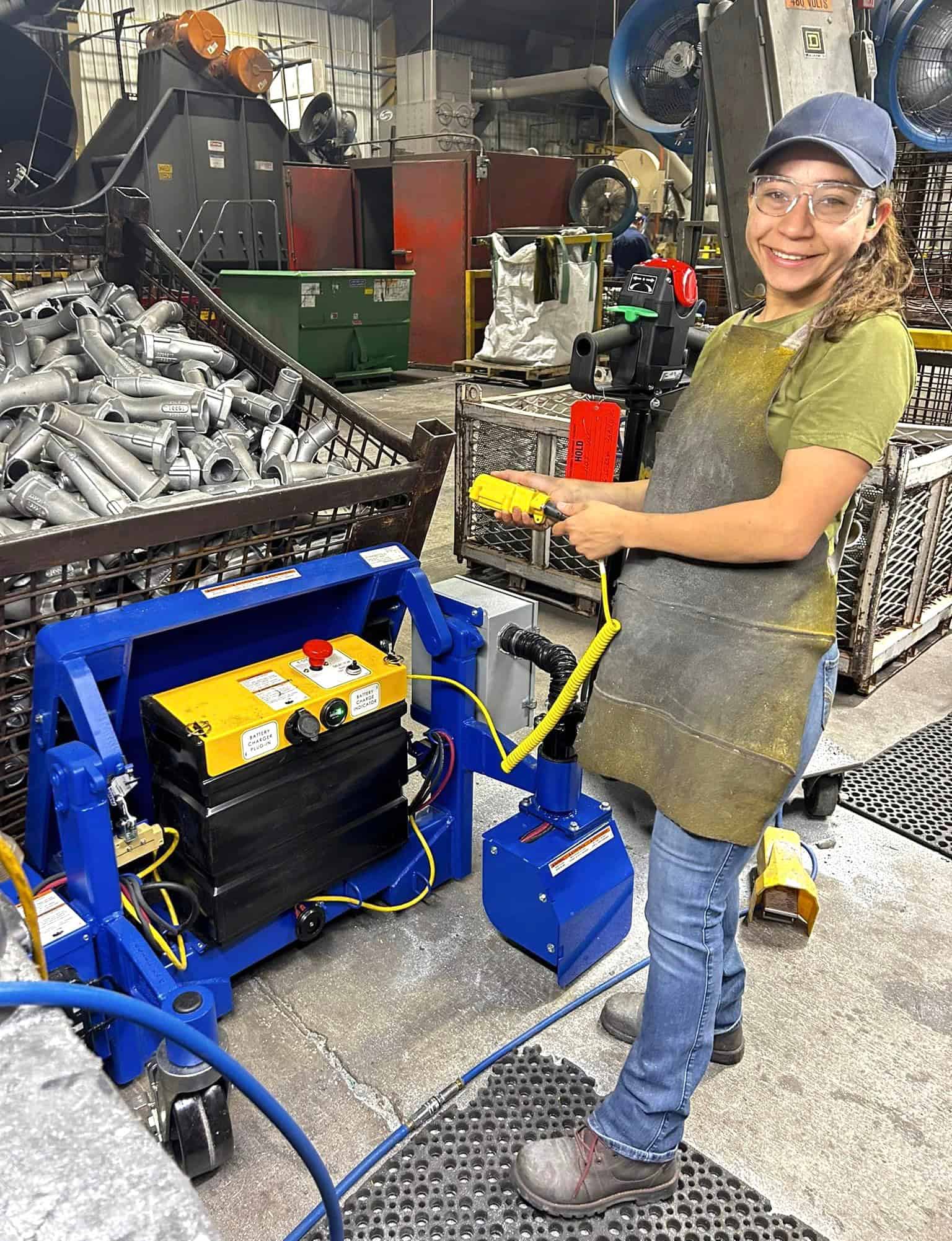
While the demand for lasting methods proceeds to rise, ingenious recycling techniques are emerging as pivotal options within the aluminum Read Full Article foundry industry. Advanced methods such as closed-loop recycling are obtaining traction, permitting the repurposing of scrap light weight aluminum straight back right into the manufacturing process. This method not only minimizes waste but additionally minimizes the carbon impact related to aluminum production. Additionally, the development of advanced sorting modern technologies boosts the performance of recycling procedures, ensuring top quality feedstock for foundries. Methods like hydrometallurgical recycling additional maximize resource recuperation, enabling the removal of important products from intricate light weight aluminum alloys. As these innovations advance, they substantially contribute to an extra lasting aluminum factory industry, lining up with global environmental goals.
Energy-Efficient Spreading Techniques
Cutting-edge recycling methods pave the method for advancements in energy-efficient casting techniques within the aluminum factory market. These techniques focus on reducing energy usage and reducing waste throughout the casting procedure. Methods such as die spreading and investment spreading are being improved to enhance thermal performance and shorten cycle times. Furthermore, the assimilation of smart technologies and automation permits real-time surveillance and optimization of power usage. Researchers are also discovering different products and additives that can further improve energy performance (Aluminum Foundry). The shift in the direction of lasting techniques is not simply regulatory; it mirrors an expanding market demand for greener items. As energy-efficient spreading approaches develop, they guarantee to markedly lower the carbon footprint of light weight aluminum production while preserving quality and performance criteria
Frequently Asked Concerns
What Are the Ecological Advantages of Aluminum Foundries Compared to Other Steels?
Aluminum foundries offer considerable ecological advantages, consisting of lower power usage, minimized greenhouse gas exhausts, and recyclability. Contrasted to various other steels, light weight aluminum's lightweight nature boosts gas efficiency in transportation, additional adding to sustainability in different sectors.
How Do Aluminum Foundries Add To Neighborhood Economies and Work Production?
Aluminum foundries play a crucial function in regional economic situations by generating job chances and sustaining ancillary sectors. Their procedures promote economic development, boost workforce skills, and foster area growth via financial investment in regional framework and solutions.
What Safety Measures Are Executed in Aluminum Foundry Workflow?
Precaution in light weight aluminum shop procedures include personal protective tools, ventilation systems to minimize exposure to fumes, routine tools maintenance, security training for staff members, and stringent adherence to sector policies to decrease hazards and assurance worker safety.
Exactly How Can Consumers Assistance Sustainable Practices in Aluminum Manufacturing?
Consumers can support lasting methods in aluminum manufacturing by picking products made from recycled light weight aluminum, promoting for eco-friendly sourcing, and sustaining business committed to reducing their carbon impact and applying accountable production procedures.
What Accreditations Should Aluminum Foundries Pursue for Sustainability Acknowledgment?
Aluminum foundries should pursue certifications such as ISO 14001 for ecological monitoring, LEED for eco-friendly structure, and the Aluminum Stewardship Effort requirements to obtain recognition for their commitment to sustainability and accountable manufacturing techniques.
Comments on “3D printing innovations shaping Aluminum Foundry methods”